Retail Industry Trends: Mike Shares Expert Insights in CREJ
Our Industry
Read More

Celebrating 100 Years of integrity, innovation, and lasting relationships: valuing people, building dreams!


Celebrating a CENTURY of valuing people and building dreams!
This once-in-a-lifetime milestone is made possible by the commitment of our employee-owners and through relationships built over time with our clients and partners.
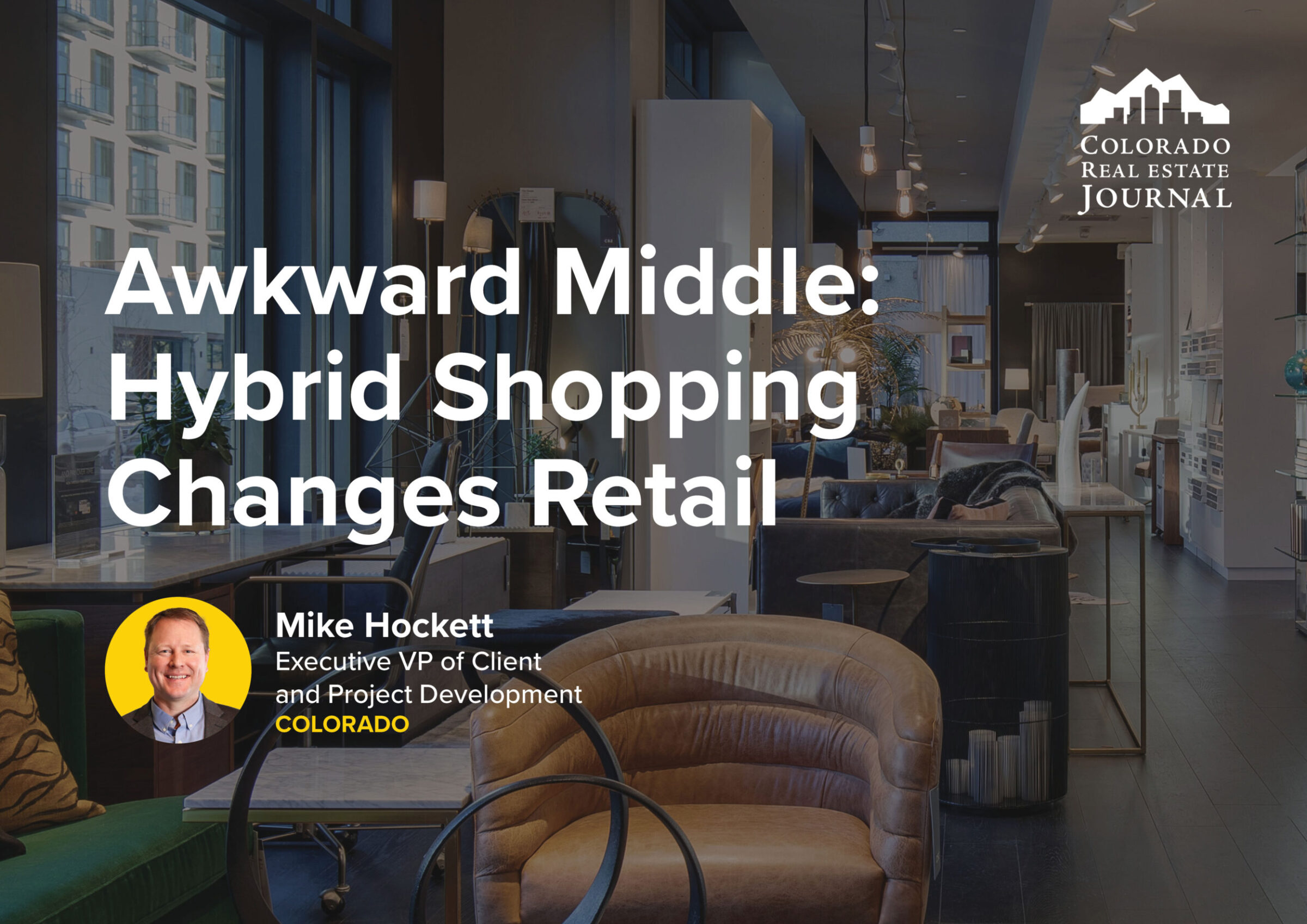
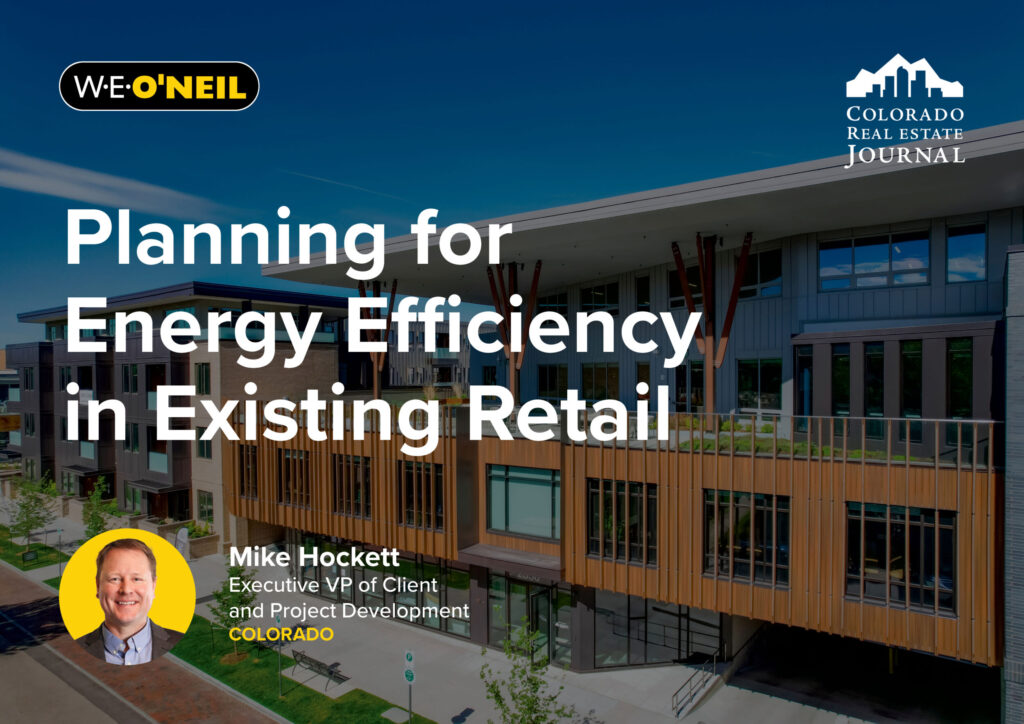
In the recent CREJ’s Retail Properties Quarterly edition, Mike Hockett, our Colorado Executive VP of Client and Project Development, explores how hybrid retail is reshaping brick-and-mortar real estate and how assets can evolve to support today’s customers.
Read full article here.
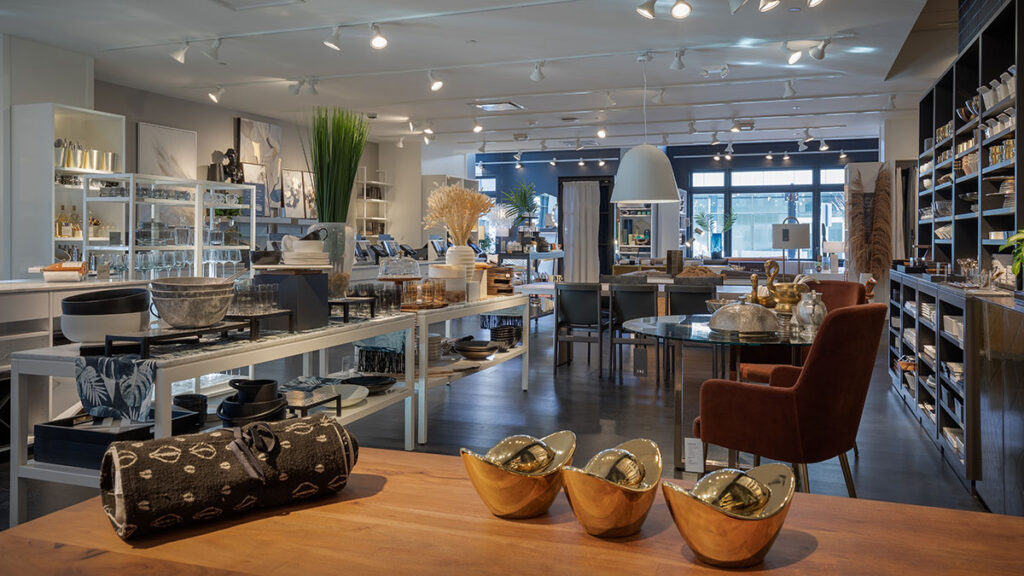
Crate & Barrel – CB2 St. Paul (Denver, CO)
Retail is in an awkward transition, and retail real estate is absorbing the friction as consumer behavior evolves faster than physical store formats.
For decades, retail was built around in-store purchasing, with layouts optimized for sales floors, visibility, and efficiency. E-commerce disrupted that model by shifting fulfillment off-site and reducing store footprints, but a new equilibrium hasn’t fully formed.
Today, shoppers expect a hybrid experience: buy online and pick up in-store, browse in-store and ship to home, and return online purchases in physical locations. This behavior is now standard, but most retail assets were not designed or capitalized to support it.
A simple return experience highlights the gap: an online purchase returned at a grocery store acting as a third-party hub is operationally seamless, but reveals how e-commerce functions are being layered onto spaces never designed for them.
Retail is not declining; it is evolving. The discomfort visible today reflects a lag between how people shop and how retail real estate is configured. The owners and developers who recognize this gap and invest strategically will be better positioned to attract and retain tenants in an increasingly hybrid market.
Key shifts impacting retail real estate:
The core issue is not tenant execution, but the mismatch between rapidly changing consumer behavior and slower-evolving retail real estate design. As a result, assets that cannot support hybrid operations may face tenant friction, higher turnover, and rent pressure.
Properties that proactively adapt purpose-built pickup and return areas, flexible back-of-house layouts, improved circulation, and basic infrastructure upgrades can position themselves as more competitive, future-ready retail environments.
Retail is not declining; it is evolving. The competitive advantage will come from designing assets for how commerce actually functions today, not how it worked in the past.
Explore our retail expertise here.